
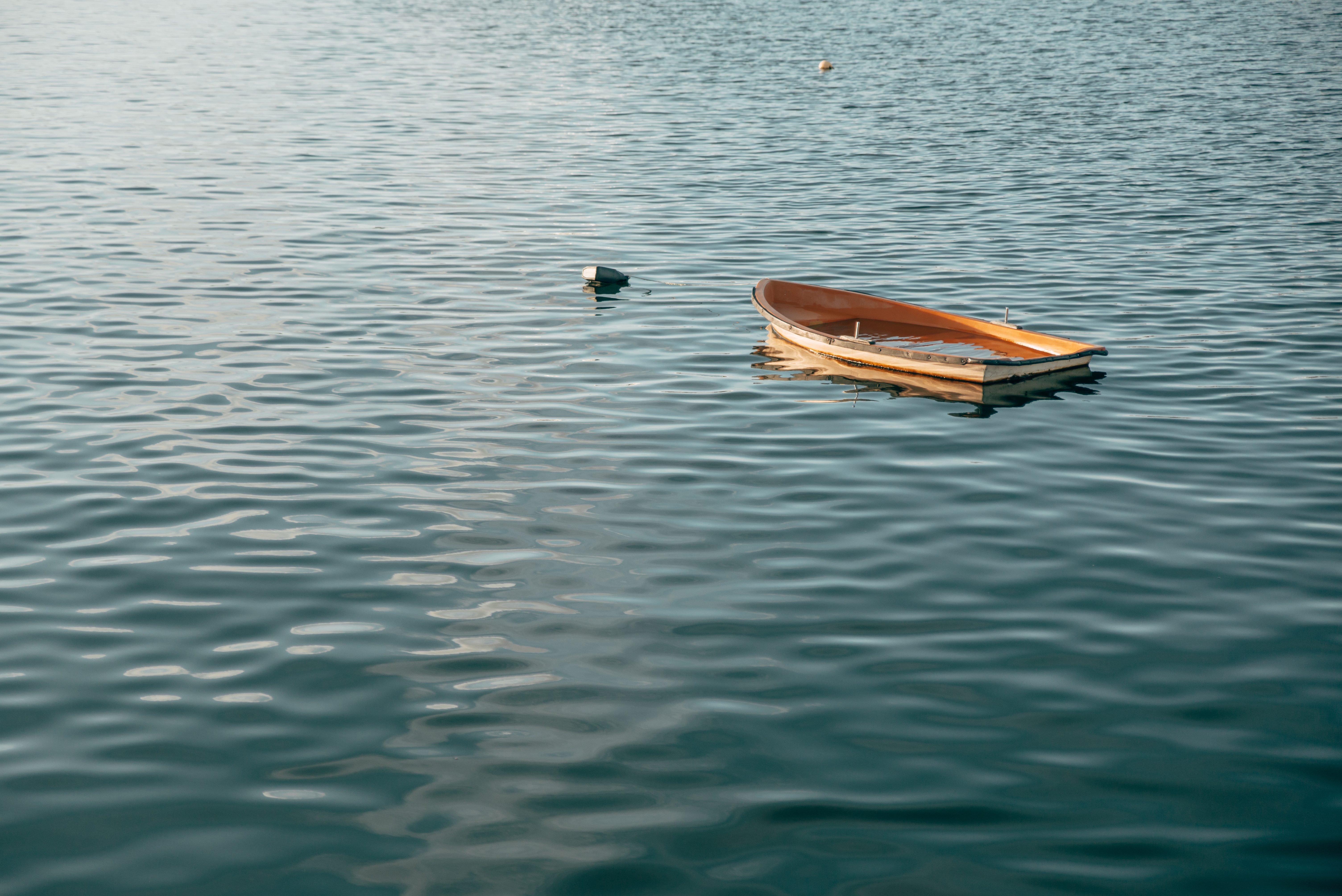
Smart Insurance Tips for Your Summer Adventure Gear
Summer fun arrives quickly, and so does the rush of getting boats, RVs, motorcycles, and ATVs ready for the season. But before the adventures begin, it’s important to make sure these vehicles are properly insured. Standard home and auto policies often fall short, leaving owners exposed to risks they don’t expect.
A quick coverage review now can help prevent costly surprises later. Below is a refreshed breakdown of why these popular summer vehicles often need their own insurance and what protection typically looks like.
Why Seasonal Vehicles Often Need Standalone Coverage
Summer toys are used and stored differently than everyday cars or your home, which means they face unique risks. Weather damage, theft, accidents, and liability concerns aren’t always included—or fully covered—under a standard policy. When gaps exist, the financial fallout can be significant.
Specialty policies are built to match how these vehicles are used and the exposures they face. Without dedicated protection, owners may encounter not only steep repair bills but also potential legal issues in certain situations.
Boat Insurance: Essential Protection on and off the Water
Boat insurance functions in a way that’s similar to auto insurance, typically offering two primary components: coverage for the vessel itself and liability coverage.
Physical damage coverage helps pay for repairs or replacement after events such as theft, storms, vandalism, or dock collisions. Many plans also include medical payments coverage for injuries affecting you or your passengers.
Liability insurance is key if you accidentally injure another person or damage property while boating. Some insurers also provide uninsured or underinsured boater protection, which helps when another operator causes damage but lacks adequate insurance.
You may also have access to optional add-ons, including emergency towing, personal item protection, fishing equipment coverage, and trailer insurance. Insurers usually ask about details like the boat’s size, value, engine type, use patterns, storage location, and your boating experience.
It’s equally important to know what’s excluded. Damage from poor maintenance, normal wear, and gradual deterioration is typically not covered. Some policies also limit coverage based on specific waterways or seasons. If you tow your boat, understanding how coverage applies in transit can help you avoid unwelcome surprises.
RV Insurance: Tailored Coverage for Motorhomes and Travel Trailers
RV insurance is designed to protect motorhomes and travel trailers against accidents, weather events, theft, and liability issues. Whether you’re driving on the highway or parked at a campsite, RV coverage helps safeguard both your vehicle and your financial wellbeing.
For motorhomes, liability insurance is required in most states. Comprehensive and collision protection are optional but often required by lenders. Comprehensive coverage typically applies to events outside your control—such as vandalism, fire, animal damage, and severe weather—while collision coverage helps pay for damage caused by hitting another vehicle or object.
Travel trailers differ because they aren’t motorized. While trailer insurance is usually optional, liability comes from the vehicle towing it. Some owners choose to add vacation liability coverage to stay protected at campsites.
RV policies may include medical payments, uninsured or underinsured motorist protection, roadside assistance, personal property coverage, emergency expense assistance, and even optional pet-related protection. Wear and tear and certain moisture-related problems—like mold or rot—are common exclusions.
Motorcycle Insurance: Crucial Protection for Riders
Motorcycle insurance helps cover damage or theft involving your bike, scooter, or moped, while also providing liability protection if you cause injuries or property damage. Nearly every state requires riders to carry at least minimum liability limits.
Riding without insurance can lead to severe penalties such as fines, license suspension, legal action, or even jail depending on the state. Many riders choose to keep at least basic coverage even for older motorcycles. Comprehensive and collision protection are optional unless the bike is financed, but they offer valuable coverage in the event of a loss.
Insurance costs can vary based on your riding experience, age, where you live, your bike’s style and value, and the limits you select. No matter the motorcycle’s age or price, proper coverage helps prevent large out-of-pocket expenses after an accident or theft.
ATV Insurance: Where Many Owners Find Coverage Gaps
ATV insurance is an area where unexpected coverage gaps are common. Homeowners policies sometimes provide limited liability protection—but often only when the ATV stays on your property. That’s why many owners choose a dedicated policy that follows the vehicle wherever it’s used.
ATV policies can include liability, collision, comprehensive, uninsured or underinsured motorist coverage, and medical payments. Collision generally applies to damage that affects the ATV’s functionality, while comprehensive can help with non-collision losses like fire and may extend to permanently installed accessories.
Medical payments coverage provides support for medical expenses after an ATV accident, regardless of fault. If you transport your ATV, it’s important to confirm what protections apply during hauling, as damage during transport may require separate trailer insurance.
Take Time Now to Avoid Stress Later
Overlooking proper insurance for your summer toys can result in costly setbacks and legal frustrations. A quick review now helps ensure your season stays focused on fun and adventure—not unexpected bills.
If you're unsure whether your boats, RVs, motorcycles, or ATVs are fully protected, reach out to The Preserve Group, LLC. Our team is here to help you gear up for a confident, worry-free summer.