
Back‑to‑School Traffic Safety Tips for a Safer August
August marks a major shift on the roads as families prepare for the new school year and daily routines pick up again. National Traffic Awareness Month serves as a timely reminder of how quickly traffic patterns change when students head back to class. Taking a proactive approach now can help drivers and families navigate these transitions with greater awareness and safety.
The return of school buses, increased pedestrian activity, and more inexperienced drivers creates a unique roadway environment each fall. By focusing on alert driving and consistent safety habits, everyone can contribute to a safer community during one of the busiest times of the year.
Why Back‑to‑School Traffic Requires Extra Caution
Once school resumes, areas that were quiet over the summer suddenly become much more active. Morning and afternoon commutes grow heavier, and school zones often experience significant congestion. Young pedestrians, cyclists, and families on foot contribute to an environment that demands slower speeds and higher attention.
Drivers may encounter frequent stops, unpredictable crossings, and crowded intersections as students move between home and school. Younger children especially may not fully understand traffic patterns or safety risks, which increases the need for added driver awareness. Understanding how these seasonal changes impact the roads is a key part of reducing preventable accidents.
School Bus Safety Essentials for Drivers
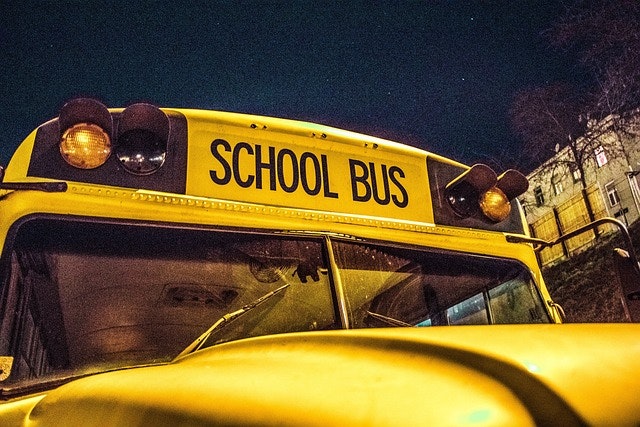
School buses help thousands of students travel safely each day, but they also introduce specific risks that drivers must remember. The 10‑foot zone around a bus is considered the most dangerous area for children as they board or exit. Maintaining distance gives drivers more time to react to sudden stops or children crossing unexpectedly.
Patience and caution are vital. When a bus activates its stop arm or flashing lights, slowing down and preparing to stop protects children who may step into the road without warning. Simple attentiveness can prevent serious, life‑altering accidents.
Sharing the Road With Pedestrians and Cyclists
During the school year, many students walk or bike to class, making it essential for drivers to stay alert in residential areas and school zones. Yielding to pedestrians at crosswalks is not only courteous but necessary to prevent collisions. Drivers should never pass a vehicle that has stopped to allow someone to cross, as pedestrians may not be visible from every angle.
Young cyclists can also behave unpredictably, sometimes swerving or entering the road from between parked cars. Taking extra care in neighborhoods, near parks, and around schools helps keep everyone safe.
Even routine actions matter. Checking mirrors for approaching bikes before opening your car door can prevent serious dooring accidents. Small habits like these encourage safer interactions for everyone sharing the road.
Best Practices for Safe School Drop‑Off and Pick‑Up
School drop‑off and pick‑up zones are often fast‑moving and crowded, which makes following school guidelines essential. When drivers follow consistent procedures, it reduces confusion and improves the overall flow of traffic.
Avoiding unsafe shortcuts—such as stopping in unauthorized areas, cutting through parking lots, or blocking traffic—makes a big difference. Parents and caregivers can strengthen safety by planning a few extra minutes into their schedules to follow the designated process.
These predictable patterns help create a safer environment for children and reduce the chance of accidents during the busiest times of the day.
Teaching Children Smart and Safe Road Habits
While driver responsibility plays a major role, children also need guidance in developing safe road behaviors. Young kids, especially those under age 10, often need adult supervision around traffic and benefit from frequent reminders about safety rules.
Key habits include stopping to look both ways before crossing, using crosswalks, and staying alert by avoiding distractions. Encouraging children to put away mobile devices when near streets helps them stay fully aware of their surroundings.
Safety gear matters too. Helmets, reflective gear, and protective pads provide essential protection for kids riding bikes, scooters, or skateboards. Establishing these habits early lays the groundwork for safe, independent travel as they grow.
Working Together for Safer Roads
Keeping the community safe during back‑to‑school season requires shared responsibility. Drivers, parents, students, and caregivers all contribute to creating safer streets. Slowing down in school zones, watching for pedestrians, and staying patient during busy times can greatly reduce the likelihood of dangerous situations.
Even small adjustments—like giving yourself more time in the morning or double‑checking blind spots—reflect a commitment to protecting children and supporting safer roadways for everyone.
Staying Prepared for a Safe School Year
The start of the school year doesn’t have to bring added risk. With extra awareness and consistent habits, families and drivers can approach the season with confidence. Understanding the challenges of back‑to‑school traffic helps everyone make safer decisions on the road.
If you have questions about traffic safety or want help understanding your responsibilities on the road, The Preserve Group, LLC is here to support you. Our team can provide guidance and resources to help you protect yourself and your family throughout the year.